

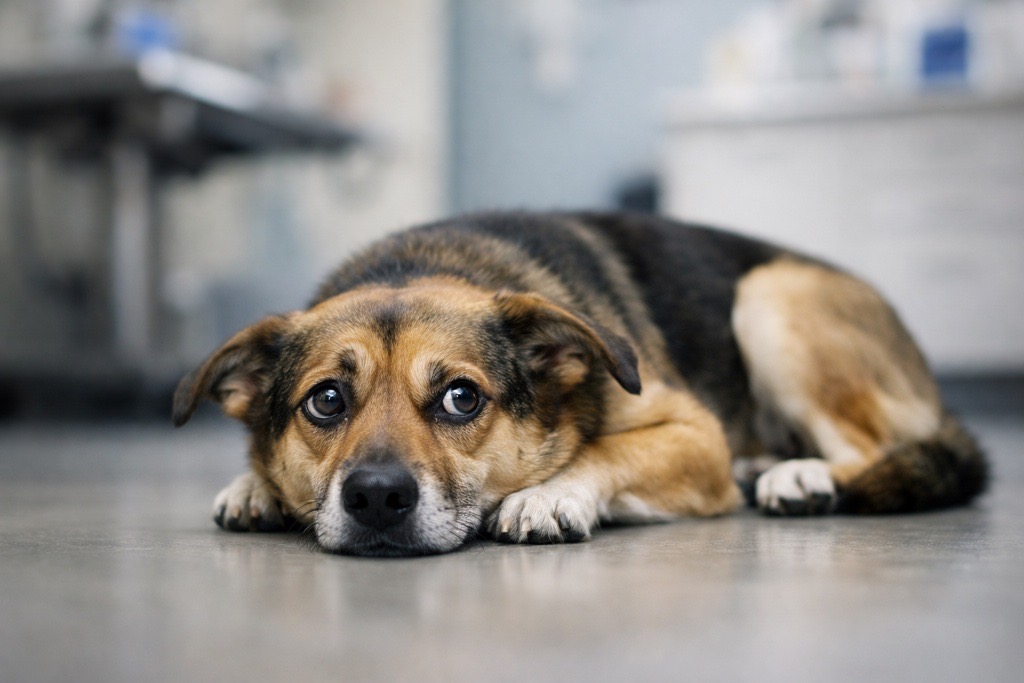
Vet trips often stress dogs like my girls, Queen and Laptop—who love humans but tense up around other animals. Recently, visits to Animalia Biogenesis with Dr. Archith have transformed them—far calmer, exploring leash-free in the consult room, tails wagging.
Pre-Visit Checklist
Monitor these cues as anxiety builds from triggers like leashes, car keys, and the travel routine:
- Pacing or hiding: Queen paces corners; Laptop ducks under the bed.
- Whining, trembling, or refusal to eat: Sometimes worsened due to fasting.
- Excessive sniffing or barking: Triggered by unfamiliar scents on shoes/clothes.
Prep actions
- Use pheromone collars/spray 1–2 days prior (only with your vet’s guidance).
- Practice short car rides with treats to desensitise.
- Cover carriers/windows to block views of passing animals.
During-Visit Warning Signs
In the clinic, scan for stress from smells, noises, and handling—especially around other cats/dogs. Dr. Archith’s calm approach helps Queen and Laptop relax and build positive trip associations.
Actions during the visit
- Request quiet exam rooms; stay present for comfort.
- Bring high-value treats for positive associations.
- Ask for minimal restraint and gentle handling.
Post-Visit Recovery Guide
Back home, track lingering effects for 24–48 hours:
- Hiding or aggression toward each other.
- Appetite loss, pacing, or inappropriate elimination.
- Trembling or clinginess from fatigue or stress.
Home steps
- Provide quiet downtime near you, with familiar bedding/toys.
- Skip intense walks initially; offer bland meals later if needed.
- Use calming aids only with your vet’s help.
Conclusion
Vet visits don’t have to be traumatic. With preparation, gentle handling, and a calm recovery plan, pets can feel safer—and even start to enjoy the routine.